

How do you get the attention of powerful people you want in your network, but are the least likely to respond? Senior executives are busy, see less value spending time with someone lower on the hierarchy, and are likely to miss or ignore requests through email or social media. Michael C. Wenderoth is an Associate … Continue reading How to Network with Powerful People

Donor Retention Strategies: From CRMs to Annual Reports
Whatever you do, don’t stop fundraising during these difficult times. While this fundraising may look different, it should never cease entirely. You need revenue to keep your organization alive amidst a shifting economy. Your nonprofit should aim to increase your donor retention now to allow you to develop these relationships and have an even stronger base of support. A … Continue reading Donor Retention Strategies: From CRMs to Annual Reports

We all want to be understood
Your donors want to feel understood. Especially now. Coronavirus has been here for several months now. And it feels like years, doesn’t it? Even after months of this, many of us are still feeling uncertain, afraid, and out of control. The whole situation, from medical concerns to financial worries, seems so huge. It’s hard to … Continue reading We all want to be understood

From beggars to buskers: what can modern charities learn from street artists?
Walking past a beggar can be a deeply uncomfortable experience. Clocking the beggar from afar, most of us immediately start to play arguments in our minds: to give or not to give? As we reach the beggar, we steel ourselves for the ask – ‘spare any change guv?’ – and we are forced to confront … Continue reading From beggars to buskers: what can modern charities learn from street artists?

Have an exit strategy (and other unexpected lessons learned)
Like many of us, Kurstin Finch Gnehm, Deputy Director of Philanthropy at the Royal Academy of Music had an unplanned, crash course in virtual events earlier this year. With four cultivation 'Coffees with the Principal' and a Scholars' Recital in the books and her team still emotionally intact, Kurstin shares some of her lessons learned. … Continue reading Have an exit strategy (and other unexpected lessons learned)

Donor Thank You Down and Dirty
No doubt you know the donor thank you is important. You may not fully grasp how important. Gratitude kick starts the process of building relationships and establishes trust. And trust, of course, is the foundation of all lasting relationships. If you want more than one-time transactions, you absolutely must master the power of thank you. … Continue reading Donor Thank You Down and Dirty

Five Tips for Digital Events
Lots of charities are working hard on delivering more digital events for supporters and customers at the moment (without a blockbuster budget). In this post, Richard Parfitt, Membership Officer at the Bodleian libraries, University of Oxford shares some tips for speakers and organisers based on his experiencs so far. https://www.linkedin.com/pulse/five-tips-digital-events-richard-parfitt

How charities can connect with HNWI donors
The trend of donating has decreased over time, putting pressure on charities to look for new sources of funding. CAF’s 2019 Giving Report noted that 57% of those surveyed donated in the period; down from 60% in 2017 and 61% in 2016. Understanding these trends, charity digital leaders are revamping digital fundraising strategies by going … Continue reading How charities can connect with HNWI donors
How much do we really know about why we give to charity?
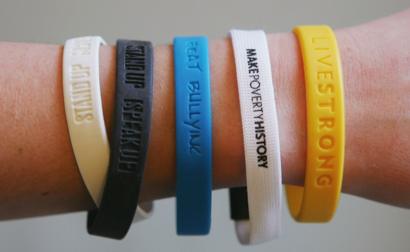
Charity has become big business, though it's hard to say how big: there's little good data. One recent study estimates the British, for example, donate 54p in every £100. That's three times more than the Germans but three times less than Americans give. This article from the BBC dives into the history of fundraising methods … Continue reading How much do we really know about why we give to charity?
The science of influencing people: six ways to win an argument
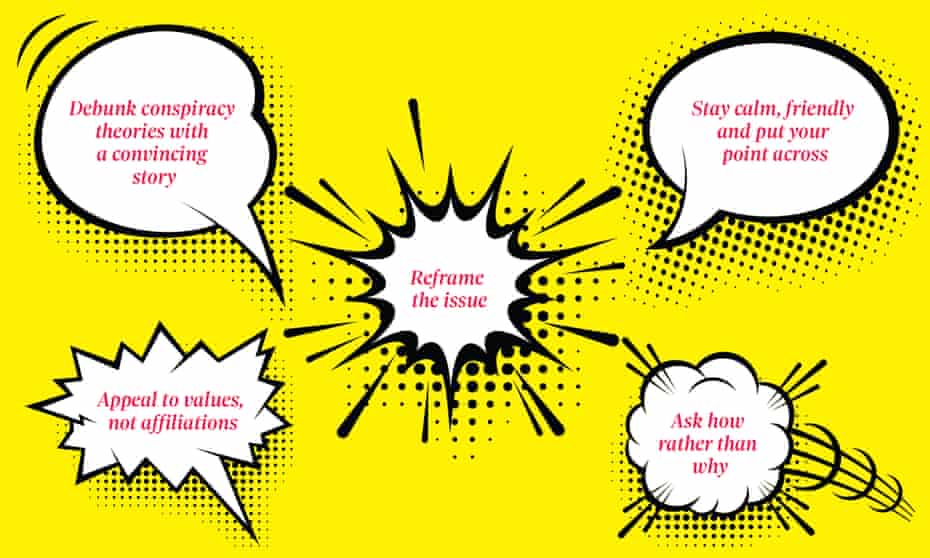
Psychological studies show that people fail to notice the logical fallacies in an argument if the conclusion supports their viewpoint; if they are shown contrary evidence, however, they will be far more critical of the tiniest hole in the argument. This phenomenon is known as “motivated reasoning”. A high standard of education doesn’t necessarily protect … Continue reading The science of influencing people: six ways to win an argument
 Propper Fundraising